Understanding CRPS

What's CRPS?
CRPS, or Complex Regional Pain Syndrome, is a chronic pain condition that significantly impacts the nervous system. It typically develops after an injury or trauma, but the pain experienced is disproportionately severe compared to the initial event. It's as if the body's alarm system remains stuck in the 'on' position, continuously sending pain signals.
Living with CRPS
Living with CRPS is honestly the hardest thing I have ever had to endure. And I say that as someone who has taken a field hockey ball straight to the eye, so trust me, I have a reference point for pain.
There were days where my fingers were completely useless. Not sore, not inconvenient, completely useless. I had to use my palms to pick things up, open door knobs, and even drive my car. Things you never think twice about become this whole production and you just have to figure it out because life doesn't stop.
The hardest part though wasn't even the physical pain. It was the mental side of it. I constantly felt like I was being dramatic. Like maybe I was just a cry baby who couldn't handle it. When you're in that much pain for that long and people around you can't see it, you start to question yourself. And that self doubt on top of the actual pain is its own kind of exhausting.
CRPS is real, it is debilitating, and it is so frequently misunderstood. If you are living with it, you are not being dramatic. You are not weak. You are dealing with something that most people could not even imagine.
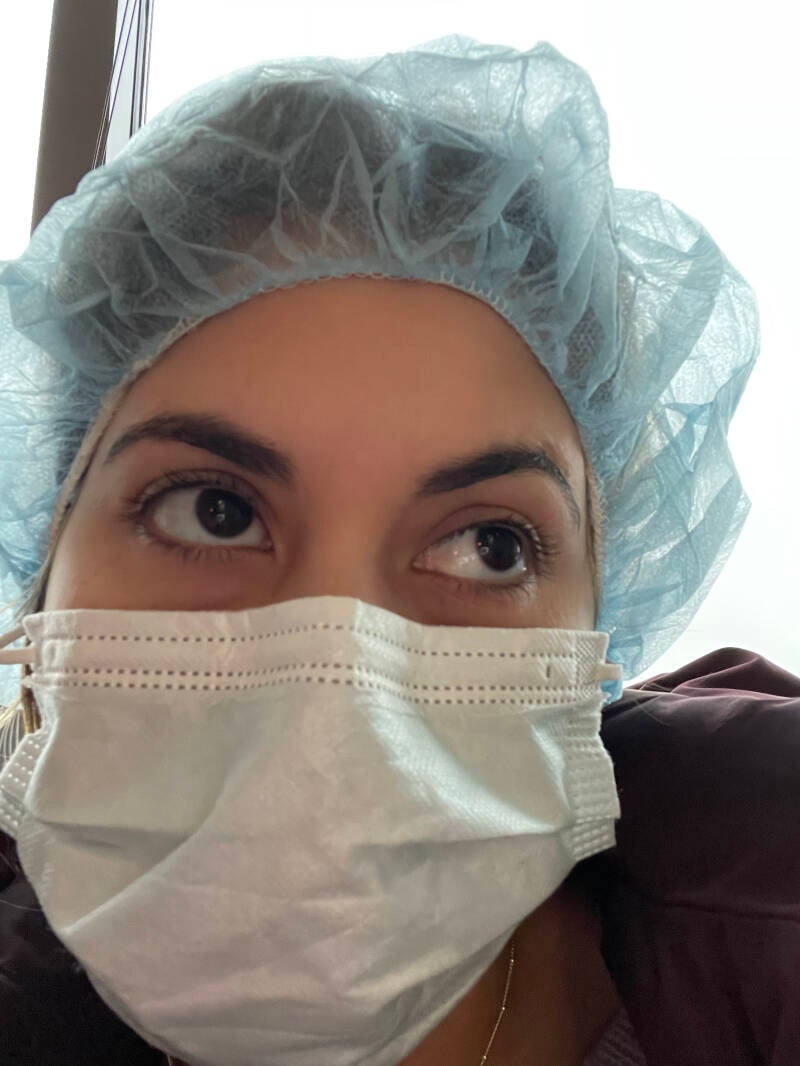
Useful Information and Advice
Nobody is going to fight for you in that doctor's office the way you will. And when you're dealing with something like CRPS, that fight is real. I had to push hard to get the right diagnosis and I know I'm not alone in that. So here's what actually helped me.
Do your research before every appointment. Walk in knowing what you want to talk about. You have limited time with your doctor and it goes fast. If you show up prepared with specific questions and information you've found, you are way more likely to be taken seriously and walk out with actual answers instead of a brush off.
Keep a pain journal. I cannot stress this enough. Write down your pain levels, your triggers, what makes it better, what makes it worse, and how it's affecting your daily life. Doctors respond to patterns and data. When you can show them a record instead of just telling them you're in pain, it changes the conversation.
Record or take notes during your appointments. You are not going to remember everything that gets said, especially when you're in pain and stressed. Use your phone to take notes or record if your doctor is okay with it. You can go back and listen later when your brain isn't in survival mode.
Ask for second opinions and then ask for more. If a doctor isn't listening, find another one. You are not being difficult. You are being your own best advocate and there is absolutely nothing wrong with that.
You know your body better than anyone in that room. Don't let anyone make you feel otherwise.
Some Helpful Resources:
https://www.ninds.nih.gov/health-information/disorders/complex-regional-pain-syndrome
https://www.pennmedicine.org/conditions/complex-regional-pain-syndrome
*Always seek your primary doctor/specialist*